What makes Rust solo survival so compelling when one player holds ground next to Oil Rig?
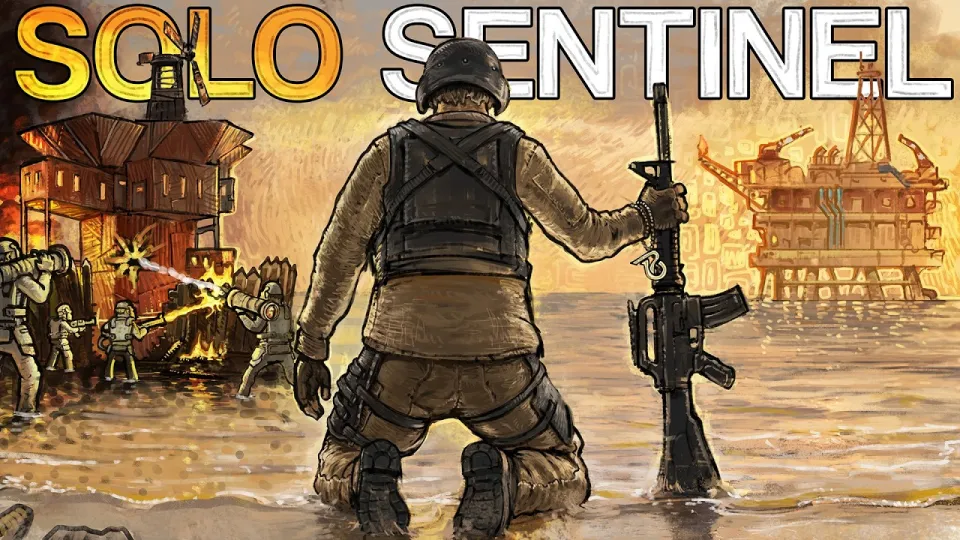
Video: The Solo Sentinel - Rust
Need articles like this for your video? They help promote it on YouTube and Google — order them in the Telegram bot @sat_sit_bot. Articles with your video embedded are written and posted by the bot itself — on popular topical sites (no ads). Free trial — 50 articles.
· based on the channel Blooprint
Key takeaways
- Blooprint's "The Solo Sentinel" follows one solo player who builds a base directly beside Oil Rig instead of in a quiet corner of the map.
- Oil Rig is one of Rust's highest-tier monuments, guarded by heavy NPCs and a locked crate that draws groups and other solos.
- Solo survival in Rust depends on base placement, turret coverage, and silent farming routes more than on raw PvP aim.
- Viewer response to the video pushed for more solo content over fast group progression to Tier 2 and Tier 3 gear.
- The full VOD and live Rust sessions are streamed at https://www.twitch.tv/blooprint.
Rust solo survival works best when a lone player turns a high-risk location into an advantage: building next to Oil Rig gives fast access to top-tier loot, but only if the base is fortified with turrets, sealed rooms and short, quiet farming routes. In Blooprint's video "The Solo Sentinel," one solo player does exactly that, building beside the monument and defending it against raids instead of hiding in a corner of the map. Live sessions and the full stream archive are available on Blooprint's Twitch channel.
Why building next to Oil Rig is the core of this Rust solo strategy
Oil Rig is one of Rust's most contested monuments, and that is precisely why a solo base beside it can pay off. The monument holds a locked crate and elite NPC guards, so it attracts groups with gear to lose and solos looking for a lucky break. A base placed within sight of the rig shortens the trip from spawn to loot to zero, which matters most in the first hours of a wipe when everyone is racing for the same crates.
The trade-off is exposure. Anyone flying past, swimming in, or scouting the coastline sees the base immediately. That is why the solo in this story treats the base as a weapon: turrets cover the approaches, doors are layered, and every room is sealed so a raider who blows one wall does not walk straight into the loot room. The result is a base that looks like a target but punishes anyone who treats it like one.
The Rust solo survival checklist that makes a monument base hold
A solo base near a hot monument survives on preparation, not on reaction speed. The pattern that works looks like this:
- Scout the monument's approaches before placing a foundation, and note where boats, minicopters and divers can land.
- Put the tool cupboard and loot behind at least two layers of doors so a single breach does not end the wipe.
- Place turrets with overlapping fields of fire on the water side, where most Oil Rig traffic arrives.
- Keep a small, cheap forward stash near the monument so a failed run does not cost the main base's gear.
- Farm at off-hours and move materials in short trips rather than one long, visible haul.
- Seal every room, including the ones that look empty, so raiders burn explosives on nothing.
Each item on that list costs time, and time is the resource a solo has least of. The upside is that a prepared base turns a raid into a losing trade for the attacker, which is the whole point of the sentinel approach.
How a solo defends against groups and raid pressure
Defending a solo base is about making the attacker's math bad. Groups raid solos because they expect a quick profit; when the first wall costs rockets and the next room is empty, the raid becomes a resource sink. Blooprint's story shows this dynamic clearly: the base sits in the open next to a monument, invites attention, and then answers it with turrets, tight door paths and counter-pushes from unexpected angles.
A few habits separate a defended solo base from a loot piñata:
- Keep a second set of gear in a hidden stash so losing the main base is not the end of the wipe.
- Use the monument's noise and NPC gunfire as cover for movement.
- Counter-raid after a failed attack instead of repairing passively; attackers rarely expect a solo to push back.
- Track who is farming the rig and when, because raid groups usually scout before they commit.
Solo base defense in Rust is mostly information management. The player who knows the map's traffic patterns picks the fights and the timings, and the player who does not gets raided while offline.
What viewers actually want from Rust solo content
The reaction to "The Solo Sentinel" was dominated by one request: more solo videos. Long-time viewers argued that watching a player progress to Tier 2 and Tier 3 gear in twenty minutes with a group is less interesting than the slower, messier story of a solo who struggles, loses gear and rebuilds. Solo play also keeps the creator talking to the audience rather than to teammates, which makes the decision-making visible: why this base spot, why this turret angle, why this fight is worth taking.
That feedback explains why solo survival remains the most relatable Rust format. Most players do not have a five-person squad with a dedicated builder and a pilot. They have one base, one kit and a limited number of hours, and they recognize the tension of hearing rockets outside while deciding whether to fight or stash the loot. A solo video is a guide disguised as a story.
Common questions and doubts about solo Rust base placement
Building next to a monument raises obvious concerns, and they are worth answering directly. The first is cost: a monument base needs turrets, which means a power source and components, so it is not a day-one build on a fresh wipe unless the player gets lucky with a quick farm. The second is visibility: a base beside Oil Rig will be scouted, and the owner should assume every approach is watched.
The third is time. Solos who work or study cannot guard a base around the clock, so offline protection matters more than active defense. That means stone or metal upgrades early, sealed rooms, and a stash far enough away that a raid does not reveal everything. The fourth is skill: holding ground against a group does not require elite aim, but it does require patience, map awareness and the discipline to disengage when a fight turns bad.
Where to follow Blooprint's Rust content
All of Blooprint's live Rust gameplay, wipe-day streams and full VODs are collected in one place:
- Twitch: https://www.twitch.tv/blooprint
- Kick: https://kick.com/blooprint
- TikTok: https://www.tiktok.com/@blooprintgames
- Twitter: https://twitter.com/blooprintgames
- Discord: https://discord.gg/blooprint
The Discord is the practical hub for wipe announcements and community talk, while Twitch and Kick carry the unedited sessions that the edited videos are cut from.
The takeaway from a solo holding ground beside Oil Rig
"The Solo Sentinel" is a case study in turning Rust's most dangerous real estate into a home advantage: pick the monument everyone wants, fortify it properly, and make attackers pay more than they earn. The video, produced by the Blooprint channel, shows that solo survival is less about out-aiming groups and more about out-preparing them with turret coverage, sealed rooms and disciplined farming. Viewers who asked for more solo content got a clear argument for why the format works, and why the struggle is the entertaining part. For live wipes and the full story as it happens, watch Blooprint on Twitch.
Source: The Solo Sentinel - Rust · Markdown version
Questions & answers
Is it viable to build a solo base right next to Oil Rig in Rust?
Yes, but only with preparation. A base beside Oil Rig needs turret coverage on the water approach, layered doors and sealed rooms before it holds anything valuable. The payoff is a very short trip from base to top-tier loot, which is a huge advantage for a solo on a fresh wipe.
Why do Rust viewers prefer solo content over group snowball videos?
Solo videos keep the creator talking directly to the audience, so the reasoning behind each decision is visible. Group progression to Tier 2 and Tier 3 gear can feel too fast and too easy, while a solo story includes losses, rebuilds and close defenses that most players recognize from their own wipes.
How does a solo player defend a base against a raiding group?
The goal is to make the raid unprofitable. Turrets with overlapping angles, empty sealed rooms that waste explosives, and a hidden backup stash all raise the attacker's cost. Counter-pushing after a failed breach often works because groups do not expect a solo to retaliate.
What should a solo player prioritize on wipe day near a monument?
Secure the base shell first, then power and turrets, then loot runs. A cheap forward stash near the monument protects progress if a run goes wrong, and farming in short trips at quieter hours keeps the base from being scouted and raided early.